Mastering the 3D Home SVG File for Cricut: A Guide to Precision and Profit
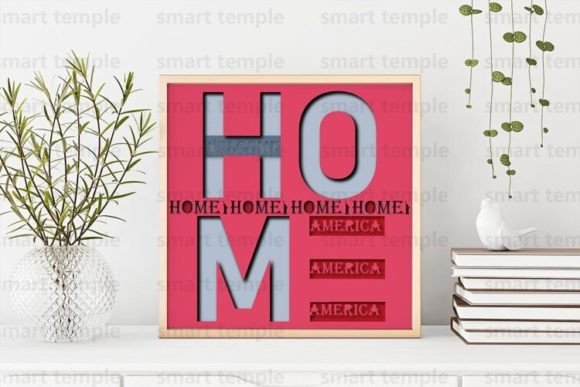
The appeal of layered paper crafts and wooden wall art has surged in recent years, transforming simple living spaces into personalized galleries. At the heart of this trend is the Home Svg File for Cricut, 3d Home, a versatile digital asset designed for creators who value depth, texture, and professional finishes. Whether you are a hobbyist looking to decorate your own walls or an entrepreneur aiming to sell finished products, understanding the nuances of these multi-layered designs is crucial. Many beginners rush into cutting without fully grasping the technical requirements, leading to wasted materials and frustration. This guide aims to correct common misconceptions and provide a clear pathway to successful creation.
Understanding the Versatility of Layered Designs
A 3D Home design is not merely a flat image; it is a sophisticated set of layers engineered to create shadow and dimension when assembled. These files are typically compatible with a wide range of cutting machines, including Cricut, Silhouette, CNC routers, and laser cutters. The versatility extends to materials as well. While many assume these designs are exclusive to cardstock, they perform exceptionally well on wood, plywood, cardboard, and even acrylic.
The primary mistake creators make is underestimating the importance of material selection. Using a flimsy paper for a large-scale wooden sign, or conversely, trying to force thick plywood through a standard blade without proper settings, can ruin both the project and the machine. Before you begin, assess the intended final location of your art. For delicate indoor decor, high-quality cardstock or thin plywood offers a refined look. For rustic or outdoor-friendly pieces, treated wood or durable acrylics are superior choices. Recognizing that the Home Svg File for Cricut, 3d Home is adaptable allows you to tailor your approach to the specific aesthetic you wish to achieve.
Common Pitfalls in File Preparation and Editing
One of the most frequent errors occurs before the blade even touches the material: improper file handling. Upon purchase, you will receive an archive containing formats such as SVG, DXF, and AI. It is tempting to simply upload the SVG directly into your design software and hit "make." However, this often leads to alignment issues during assembly.
Misunderstanding Scale and Proportion
Many users fail to resize the files appropriately for their chosen material. A design that looks perfect on a screen may be too intricate for a laser cutter if scaled down too small, causing burn marks or fused layers. Conversely, scaling up a paper design for wood without adjusting the thickness of the connecting tabs can result in structural weakness. Always preview your design at 100% scale on your computer before cutting. If you cannot find a file format that suits your specific software workflow, do not hesitate to reach out to the designer. Most creators are willing to help convert files or offer advice on compatibility, ensuring you do not struggle with unsupported formats.
Neglecting Layer Organization
The archive provides separate layers for a reason. Failing to color-code or label these layers in your design software can lead to chaotic cutting sequences. When working with multiple materials or colors, organize your layers logically. This practice saves time during the weeding process and ensures that you do not accidentally cut a background layer from the wrong material. Taking ten minutes to organize your digital workspace can save hours of physical troubleshooting later.
Material Selection and Cutting Techniques
The choice of material significantly impacts the final quality of your 3D home decor. Here are practical considerations for the most common mediums:
- Cardboard and Paper: Ideal for beginners. Use sharp blades and ensure your mat is clean to prevent slipping. Layering different shades of cardstock can enhance the 3D effect without the need for paint.
- Wood and Plywood: These materials add warmth and durability. When using a laser cutter or CNC, account for the kerf (the width of the cut). Test cuts are essential to determine the right power and speed settings. Sanding edges lightly after cutting ensures a smooth fit between layers.
- Acrylic: For a modern, glossy finish, acrylic is excellent. However, it requires specific blades or laser settings to avoid melting. Protective film should remain on during cutting to prevent scratches.
A critical oversight is ignoring the grain direction in wood or the texture of cardboard. Aligning layers against the grain can cause warping over time. Always check the structural integrity of your material before committing to a full cut. If you are new to working with wood, start with thinner plywood sheets, which are easier to cut and assemble than solid hardwoods.
Finishing Touches: Painting and Assembly
Once the cutting is complete, the transformation begins with painting and assembly. Many creators rush this stage, applying a single coat of paint and moving on. This approach often results in a patchy, unprofessional appearance. For the best results, use acrylic paint and apply 3-4 coats. Allow each coat to dry completely before applying the next. This method ensures vibrant, uniform color that highlights the depth of the 3D design.
When assembling, precision is key. Use a strong adhesive suitable for your material—wood glue for timber, craft glue for paper, or epoxy for acrylic. Start from the back layer and work your way forward, checking alignment at each step. Using spacers or foam tape between certain layers can enhance the shadow effect, making the "3D" aspect more pronounced. If you plan to hang the piece on the wall, ensure the backing is sturdy enough to support the weight of the accumulated layers.
Commercial Use and Licensing Ethics
For entrepreneurs and small business owners, understanding licensing terms is non-negotiable. The standard license for a Home Svg File for Cricut, 3d Home typically allows you to sell the finished physical product. This means you can cut, paint, assemble, and sell the wall art to customers. However, it is strictly forbidden to resell the digital file itself or share it on other platforms.
Violating these terms not only harms the original designer but also exposes your business to legal risks. Always respect intellectual property rights. If you wish to distribute the design digitally, you must negotiate a separate commercial license with the creator. By adhering to these guidelines, you contribute to a healthy creative community where designers are incentivized to produce high-quality, innovative files.
Final Checks Before You Begin
Before you finalize your purchase or start your project, consider the following checklist:
- Verify Compatibility: Ensure your machine supports the file formats provided (SVG, DXF, AI).
- Assess Skill Level: Be honest about your experience with layered projects. Start with simpler designs if you are a beginner.
- Check Material Availability: Confirm you have access to the necessary materials and tools, including paints and adhesives.
- Read Reviews: Look for feedback from other users regarding the file’s ease of use and layer accuracy.
- Contact Support: If you have specific needs or require a different format, write to the designer. Most are eager to assist and ensure customer satisfaction.
Creating with a 3D Home SVG file is a rewarding process that blends technical precision with artistic expression. By avoiding common mistakes in preparation, material selection, and finishing, you can produce stunning wall art that stands out. Whether for personal enjoyment or commercial sale, attention to detail and respect for licensing terms will ensure a successful and satisfying creative journey.