Mastering the 3D Flower Tumbler Wrap: A Guide to Professional Sublimation Design
In the rapidly expanding world of custom drinkware, the 20oz tumbler has emerged as a staple for both personal use and small business ventures. Among the myriad of design trends, the 3D Flower Tumbler Wrap stands out for its ability to transform a simple stainless steel vessel into a piece of functional art. However, achieving a flawless finish requires more than just a pretty picture; it demands an understanding of digital file specifications, printer mechanics, and the geometry of the product itself.
This article explores the intricacies of using high-resolution digital files for sublimation, specifically focusing on the technical requirements for straight and tapered tumblers. By understanding the nuances of 300 DPI PNG files and proper sizing, creators can elevate their craft from amateur attempts to professional-grade products.
Understanding the Canvas: The 20oz Tumbler Landscape
Before diving into the digital assets, it is crucial to understand the physical object. The 20oz tumbler is not a uniform cylinder. While many assume all tumblers are straight, the market is dominated by two primary shapes: the straight wall and the tapered profile. This distinction is vital because a design that fits perfectly on one will distort or gap on the other.
The straight tumbler maintains a consistent diameter from base to rim. In contrast, the tapered tumbler narrows slightly toward the bottom. This subtle geometric difference means that a rectangular image printed on paper will not wrap evenly around a tapered surface without specific adjustments. This is why specialized files are necessary. Using a generic square image often results in "ghosting" (blurry edges) or visible seams where the paper overlaps incorrectly.
The Role of 3D Effects in Modern Design
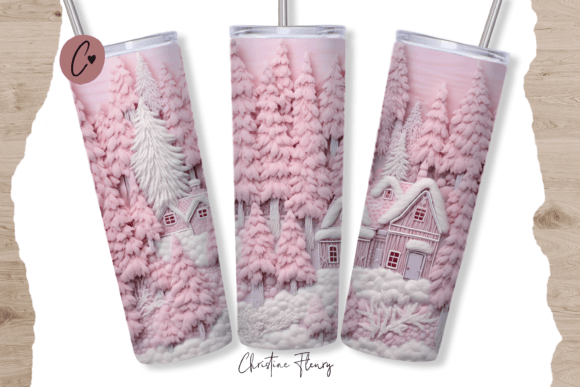
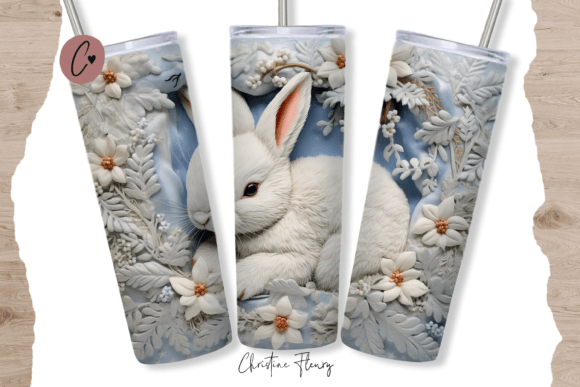
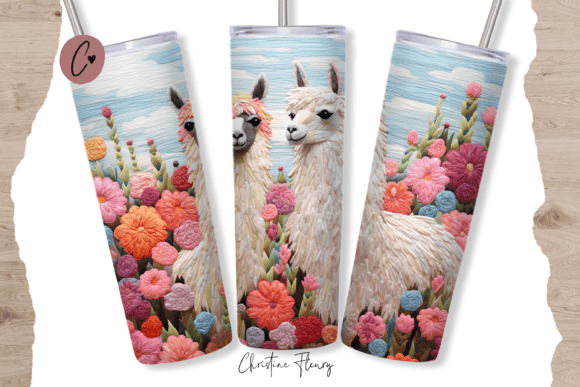
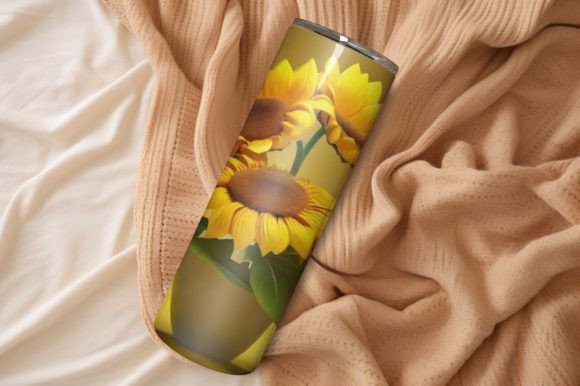
The term "3D" in 3D Flower Tumbler Wrap refers to the visual depth created through shading, layering, and perspective in the digital artwork. Unlike flat, vector-style graphics, 3D designs mimic the look of real flowers popping off the surface. This aesthetic appeal drives consumer interest, as it adds a tactile quality to the visual experience. When executed correctly with high-resolution files, these designs can make the tumbler appear as though it is wrapped in actual botanicals, enhancing the perceived value of the product.
Decoding the Digital Files: Resolution and Format
When you purchase or download a design package, such as the one containing 1 x High resolution PNG File 300 DPI, you are receiving a asset optimized for print. Let us break down why these specifications matter.
- PNG Format: Portable Network Graphics (PNG) supports transparency. This is critical for tumbler wraps because it allows the design to sit cleanly on the white sublimation paper without a bulky white background box, ensuring the edges blend seamlessly when heat-pressed.
- 300 DPI: Dots Per Inch (DPI) measures print resolution. A standard screen image is often 72 DPI, which looks pixelated when printed large. 300 DPI is the industry standard for sharp, crisp printing. It ensures that the delicate petals of a 3D flower remain distinct rather than turning into a muddy blur.
- Dimensions (9.3″ x 8.2″): These measurements are not arbitrary. They are calculated to account for the circumference of a standard 20oz tumbler plus a small overlap area. This overlap is essential for securing the sublimation paper with heat-resistant tape during the pressing process.
By providing both STRAIGHT and TAPER versions of the same design, the creator ensures that the user can select the file that matches their specific blank inventory. This attention to detail prevents the common frustration of distorted images, where flowers appear stretched or squashed.
Practical Application: From File to Finished Product
Having the right file is only half the battle. The application process determines the final quality. Here is how these digital assets fit into the modern workflow of a sublimation artist or DIY enthusiast.
- File Selection: Identify your tumbler type. If you are using a popular brand like Ozark Trail or a generic tapered blank, select the TAPER 9.3″ x 8.2″ file. For straight-walled tumblers, choose the STRAIGHT variant.
- Printing: Use a sublimation printer with high-quality ink. Print the PNG file at 100% scale. Do not "fit to page," as this will alter the dimensions and ruin the alignment.
- Preparation: Clean the tumbler with alcohol to remove oils. Wrap the printed paper around the tumbler, ensuring the design is centered. Use heat-resistant tape to secure the seam tightly. For tapered tumblers, extra care is needed to ensure the paper lies flat against the changing diameter.
- Pressing: Use a tumbler press set to the recommended temperature (usually around 380°F/190°C) and time (typically 180-200 seconds). The heat turns the solid ink into gas, which bonds with the polymer coating of the tumbler.
This process highlights the importance of the digital file's precision. If the resolution were lower than 300 DPI, the heat transfer would reveal jagged edges. If the size were incorrect, the pattern would not align, breaking the immersion of the 3D floral effect.
Common Misunderstandings and Troubleshooting
Even with high-quality files, beginners often encounter issues. One common misconception is that any image found online can be used for sublimation. In reality, most web images are too low resolution and lack the correct color profile (CMYK vs. RGB). Using a dedicated 3D Flower Tumbler Wrap file eliminates these guesswork elements.
Another frequent error is ignoring the taper. Users often apply a straight design to a tapered tumbler, resulting in a gap at the bottom or top of the wrap. This is why having access to both file types is invaluable. It allows for versatility in product offerings, enabling creators to cater to different customer preferences without needing to manually resize and distort images in graphic design software—a task that often degrades image quality.
The Business and Creative Significance
For small business owners, the availability of pre-sized, high-resolution designs streamlines production. It reduces the time spent on graphic design, allowing entrepreneurs to focus on marketing and customer service. The 3D Flower aesthetic, in particular, appeals to a broad demographic, from wedding gifts to corporate branding, making it a versatile addition to any product line.
From an educational perspective, understanding these technical details empowers creators. It moves them beyond simply following instructions to understanding why certain steps are necessary. This knowledge fosters innovation, allowing artists to experiment with different overlays, backgrounds, and effects while maintaining professional standards.
Conclusion
The 3D Flower Tumbler Wrap is more than just a decorative element; it is a testament to the intersection of digital precision and physical craftsmanship. By utilizing High resolution PNG Files at 300 DPI tailored for either STRAIGHT or TAPER 20oz tumblers, creators can ensure a flawless, professional finish. Whether you are a hobbyist looking to personalize your drinkware or a business owner scaling your production, respecting the technical specifications of your digital assets is the key to success. Embrace the details, choose the right file for your tumbler shape, and watch your creations bloom with vibrant, lasting color.