Choosing the Right Tarot Card Box Laser Cut Design for Your Collection
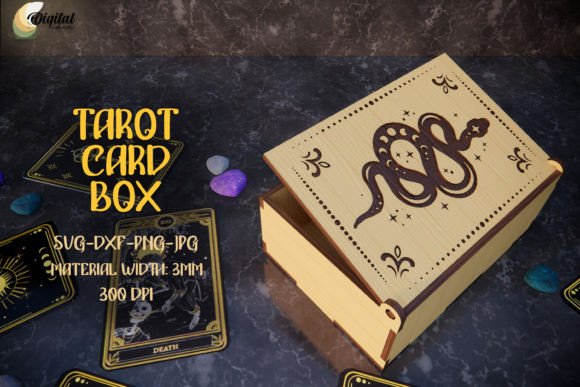
For tarot enthusiasts and crafters alike, protecting a deck of cards is about more than just preservation; it is an extension of the ritual itself. A Tarot Card Box Laser Cut offers a unique intersection of functionality and aesthetic appeal, allowing users to create custom storage solutions that reflect their personal style or spiritual practice. Unlike mass-produced cardboard boxes, laser-cut designs provide structural integrity and intricate detailing that can transform a simple container into a piece of art.
When evaluating whether a laser-cut approach is suitable for your needs, it is essential to understand the distinct characteristics of this method compared to traditional crafting or pre-made storage options. This guide explores the nuances of using laser-cut files, the materials involved, and how to determine if this DIY route aligns with your goals.
Understanding the Appeal of Laser-Cut Storage
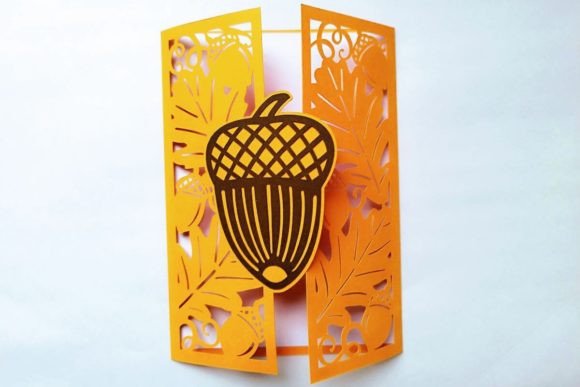
The primary advantage of a Tarot Card Box Laser Cut design lies in its precision. Laser cutting technology allows for complex geometric patterns, mandalas, and symbolic imagery that would be nearly impossible to achieve by hand with consistent accuracy. This level of detail adds a layer of sophistication to the box, making it suitable not only for storage but also as a decorative object on an altar or shelf.
Furthermore, the customization potential is vast. Whether you prefer minimalist lines or elaborate 3D laser decor elements, digital files can be scaled and modified to fit specific deck dimensions. Standard tarot decks, oracle cards, and oversized editions all have different footprint requirements. A downloadable design package typically includes multiple file formats, ensuring compatibility with various software and machines. For instance, having access to SVG, DXF, EPS, PDF, JPEG, and PNG formats means you can use the design with hobbyist vinyl cutters, professional CO2 lasers, or even CNC routers, depending on your available tools.
Material Considerations and Structural Integrity
One of the most critical decision factors when pursuing a laser-cut project is material selection. The choice of material significantly impacts the final look, durability, and ease of assembly.
- Plywood: Birch plywood is a popular choice for its smooth surface and lack of voids, which ensures clean cuts. It offers a natural, warm aesthetic that pairs well with earthy or traditional tarot themes. However, it requires sanding and sealing to prevent splintering.
- Acrylic: For a modern, mystical look, acrylic provides transparency and color variety. It is durable and easy to clean but can be brittle if the design features very thin connecting points. Acrylic also requires specific laser settings to avoid melting edges.
- MDF (Medium-Density Fiberboard): This is a cost-effective option that cuts cleanly and paints well. It is ideal for those who plan to paint their box in solid colors or metallic finishes. The downside is that MDF is heavier and less resistant to moisture than plywood.
When comparing these materials, consider the weight of your deck. Heavier cards may require the sturdiness of plywood or thick MDF, while lighter oracle decks might look elegant in delicate acrylic structures. The thickness of the material also dictates the type of joinery used in the design. Most Tarot Card Box Laser Cut files are designed with finger joints or slot-and-tab mechanisms that rely on precise material thickness, usually between 3mm and 5mm.
DIY Laser Cutting vs. Pre-Made Boxes
Consumers often weigh the effort of a DIY project against the convenience of buying a pre-made box. Understanding the tradeoffs helps in making an informed choice.
The Case for DIY Laser Cutting
Creating your own box from a digital file allows for complete control over the finish. You can stain, paint, or leave the material natural. Additionally, the process of assembling the box can be meditative, adding a personal energy to the item before it even holds your cards. If you already own a laser cutter or have access to a local makerspace, the cost per box is significantly lower than purchasing high-end artisan boxes.
Moreover, the availability of a zip folder with diverse file formats means you are not locked into one specific machine. If you switch from a diode laser to a CO2 laser, or if you decide to outsource the cutting to a online service, the included DXF and SVG files ensure compatibility. This flexibility is a major benefit for crafters who experiment with different tools.
When Pre-Made Options May Be Better
Despite the benefits of customization, a pre-made box might be the better option for those without access to cutting equipment or the time to assemble intricate pieces. Laser-cut boxes often require careful gluing and clamping to ensure stability. If you are looking for an immediate solution or lack confidence in your woodworking skills, a professionally manufactured box might offer greater durability out of the box.
Additionally, pre-made boxes often come with lined interiors or magnetic closures that can be tricky to replicate in a basic DIY kit. If these features are non-negotiable for you, evaluate whether the laser-cut design includes provisions for lining or if you are willing to add them manually.
Evaluating Design Complexity and Assembly
Not all laser-cut designs are created equal. When browsing for a Tarot Card Box Laser Cut file, pay attention to the complexity of the assembly. Some designs feature simple interlocking tabs that require no glue, while others involve multiple layers and delicate decorative overlays that need adhesive and patience.
3D Laser Decor elements add visual depth but can increase assembly time. These layers often serve a dual purpose: aesthetic enhancement and structural reinforcement. However, they can also trap dust and require more careful cleaning. Consider your willingness to maintain the box. A highly intricate design with many nooks and crannies may look stunning but could be impractical for daily use.
It is also wise to check if the design accounts for card wear. Over time, tarot cards can expand slightly due to humidity and handling. A box that fits perfectly when new might become too tight later. Look for designs that include a small tolerance gap or adjustable components. Some advanced SVG files allow you to tweak dimensions slightly before cutting, providing a custom fit for your specific deck.
File Formats and Technical Compatibility
The technical aspect of digital downloads is often overlooked but is crucial for a successful project. A comprehensive package should include vector files like SVG, DXF, and EPS for scaling without loss of quality. These formats are essential for laser cutting software such as LightBurn, RDWorks, or Adobe Illustrator.
Raster images like JPEG and PNG are useful for previewing the design or for use with print-and-cut methods, but they are not suitable for direct laser path generation. PDF files can serve as a bridge, offering both a visual reference and scalable vectors depending on how they were saved. Ensuring you have access to all these formats future-proofs your purchase, allowing you to adapt the design as your tools or skills evolve.
Making the Final Decision
Choosing a Tarot Card Box Laser Cut project involves balancing aesthetics, effort, and utility. If you value uniqueness, enjoy the crafting process, and have access to the necessary tools, this approach offers a rewarding way to honor your tarot practice. The ability to select materials, finishes, and even modify dimensions provides a level of personalization that mass-produced items cannot match.
However, if you prioritize convenience, durability without maintenance, or lack the equipment, exploring high-quality pre-made alternatives may be more practical. Assess your current resources, your tolerance for assembly complexity, and the specific needs of your card deck. By weighing these factors, you can decide whether the creative journey of laser cutting is the right path for your tarot storage solution.
Ultimately, the goal is to create a safe and meaningful home for your cards. Whether through the precision of laser-cut wood or the simplicity of a bought container, the best choice is one that respects the cards and brings you joy every time you open it.